Why Professional Plumbing Services Are Vital for Your Homes Wellbeing: A Comprehensive Guide
High-quality plumbing services play a critical role in keeping a home in optimal condition. They work to uncover and fix issues before they grow into significant financial burdens. With the necessary skills, experienced plumbers secure a clean water supply and preserve the home's structural foundation. Yet, numerous homeowners tend to neglect the value of routine upkeep. Recognizing the complete effect of plumbing on your household could uncover unexpected discoveries. What might these hidden dangers be?
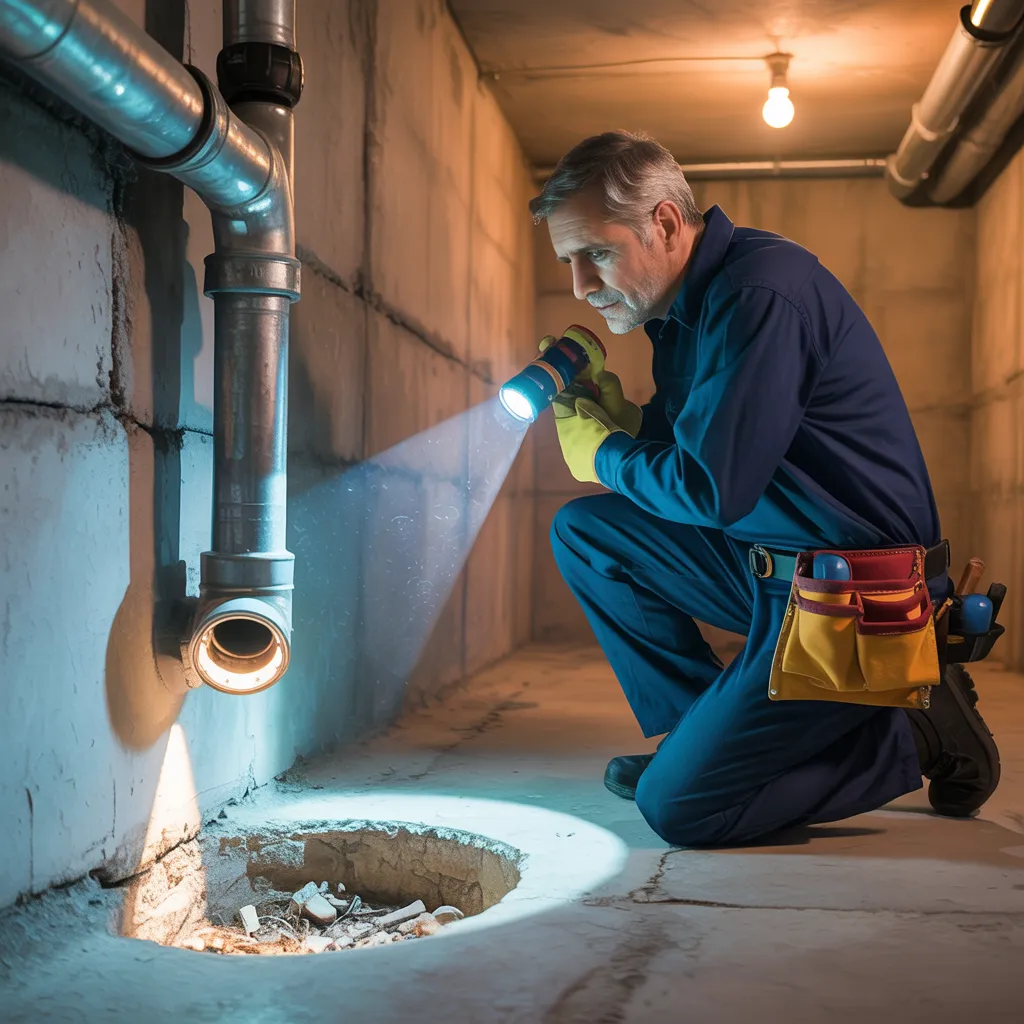
The Concealed Risks of Inadequate Plumbing
Many homeowners underestimate the concealed risks of substandard plumbing, which can lead to significant issues over time. Poor plumbing infrastructure can cause leaks to develop that silently damage walls, ceilings, and foundations. Over time, these leaks foster mold growth, presenting serious health hazards to occupants and weakening the structural foundation. Moreover, low-quality piping materials may degrade, introducing toxic substances into the water supply. This not only compromises the purity of household water but can also lead to costly repairs.
Clogs caused by misguided maintenance can develop into more serious clogs, causing sewage backup and hazardous living conditions. Moreover, inadequate drainage systems can cause flooding, damaging personal property and requiring extensive remediation efforts. Homeowners often fail to recognize that ignoring plumbing upkeep can trigger a chain of consequences, making timely action absolutely critical. Acknowledging these underlying hazards underscores the importance of quality plumbing services, which can preserve a residence's condition and long-term value.
How to Identify Plumbing Problems Early
How can homeowners detect plumbing issues before they escalate? Regular observation of key indicators can help identify potential problems. Homeowners ought to stay alert to strange noises, like gurgling or hissing, which could indicate trapped air or leaks. Moreover, sudden jumps in water bills could be a sign of undetected leaks.
Visual checks are also critical; the presence of water stains on walls, ceilings, or floors can signal underlying plumbing concerns. Homeowners should check under sinks and around toilets for moisture or pooling water. Additionally, sluggish drains can indicate blockages or pipe degradation.
Being mindful of bad odors can prove helpful as well, as they might suggest sewer issues. Furthermore, keeping an eye on fluctuating water pressure can provide early warnings of deeper issues. Early detection makes possible prompt response, helping homeowners avoid costly repairs and promoting a safer home environment.
Avoiding Serious Issues Through Routine Maintenance
Regular maintenance is essential for homeowners looking to avoid significant plumbing problems before they occur. Routine inspections can identify tiny leaks, deterioration, or clogs that, if left unattended, may escalate into costly repairs or system failures. Straightforward measures, such as draining water heaters and inspecting pipes for signs of deterioration, can greatly extend the lifespan of plumbing systems.
In addition, routine upkeep encourages optimal water pressure and proper drainage, guaranteeing that home systems perform optimally. Homeowners should also consider periodic inspections, as seasonal temperature shifts could compromise pipe durability.
Why Working with a Professional Plumber Is Important
Although some homeowners try to handle plumbing repairs themselves to cut costs, hiring a professional plumber is crucial for guaranteeing the job is done correctly and safely. Professional plumbers possess the necessary training and experience to handle a wide range of plumbing issues, ranging from small leaks to intricate installations. Their expertise minimizes the risk of further damage, which can lead to costly repairs down the line.
Additionally, licensed plumbers possess advanced tools and methods unavailable to the typical homeowner. This enables them to troubleshoot and solve issues efficiently, frequently in a much shorter timeframe it would take an untrained individual. Beyond that, working with a licensed plumber ensures conformity with regional plumbing codes and rules, shielding the homeowner from legal risks.
At the end of the day, investing in skilled plumbing services not only enhances the reliability of a home's plumbing system but also promotes its overall safety and functionality.
The Cost of Quality Plumbing Services
Understanding the pricing related to quality plumbing services is essential for property owners preparing for upkeep or repairs. Factors influencing these expenses include the difficulty of the work, the necessary materials, and the expertise of the plumber. Standard services, such as fixing minor leaks or unclogging drains, generally cost between $100 to $300. That said, more significant work, like replacing pipes or addressing sewer line problems, can reach $1,000 or more.
In addition, emergency services often incur higher fees due to the urgency and time of service. Homeowners should also consider potential costs associated with preventative maintenance, as this approach can lead to significant long-term savings by preventing costly breakdowns. While it may be tempting to opt for the cheapest option, committing to professional plumbing services secures trustworthy results, safe outcomes, and extended system durability, ultimately protecting the home's overall health. Being aware of these cost considerations equips property owners with the knowledge needed for smart decisions.
How to Find the Right Plumbing Service for Your Home
Choosing the best plumber for a home requires careful consideration beyond just cost. Property owners should emphasize qualifications, confirming the service is licensed and insured to guard against liabilities. Reviews and testimonials provide insight similar resource into a contractor's reputation, demonstrating reliability and professionalism. It is also crucial to ask about warranties on both parts and services; reputable plumbers support their work.
One other crucial factor concerns the breadth of services provided. A well-rounded plumbing service is capable of managing emergencies, installations, and regular maintenance, offering a comprehensive solution. Additionally, transparency in pricing and detailed estimates helps avoid unexpected costs. Lastly, strong communication is vital; a plumber must be prepared to describe problems and remedies in a straightforward manner. By weighing these considerations, homeowners can arrive at a knowledgeable decision that confirms their plumbing demands are fulfilled competently and dependably, ultimately benefiting the overall condition of their home.
Commonly Asked Questions
What Are Common Signs of Plumbing Issues in Older Homes?
Common signs of plumbing issues in older homes consist of blocked drains, persistent clogs, moisture stains on ceilings or walls, odd pipe noises, and irregular water pressure, all indicating potential leaks or deterioration in the plumbing system.
How Do I Temporarily Repair a Plumbing Leak?
To address a plumbing leak on a temporary basis, one can use waterproof tape or a rubber patch secured with hose clamps. Making sure the area is completely dry prior to application improves results until a professional can address the issue properly.
What Plumbing Tools Should Every Homeowner Have?
Every homeowner needs to keep essential plumbing supplies, such as a pipe-wrench tool, plunger, multi-use adjustable wrench, basin-specific wrench, and plumber's sealing tape. These tools enable efficient diagnosis and small-scale repairs, guaranteeing improved upkeep of residential plumbing systems.
Are DIY Plumbing Fixes Safe and Effective?
Do-it-yourself plumbing fixes are capable of being safe and successful for small problems, as long as homeowners have the right tools and knowledge. That said, complicated issues could cause costly mistakes, underscoring the importance of expert help for significant repairs.
How Does Weather Affect Plumbing Systems?
Weather greatly affects plumbing systems; below-freezing conditions can lead to burst pipes, while intense heat may result in greater evaporation and pressure buildup. Heavy rainfall can overburden drainage systems, causing backups and potential water damage within homes.